
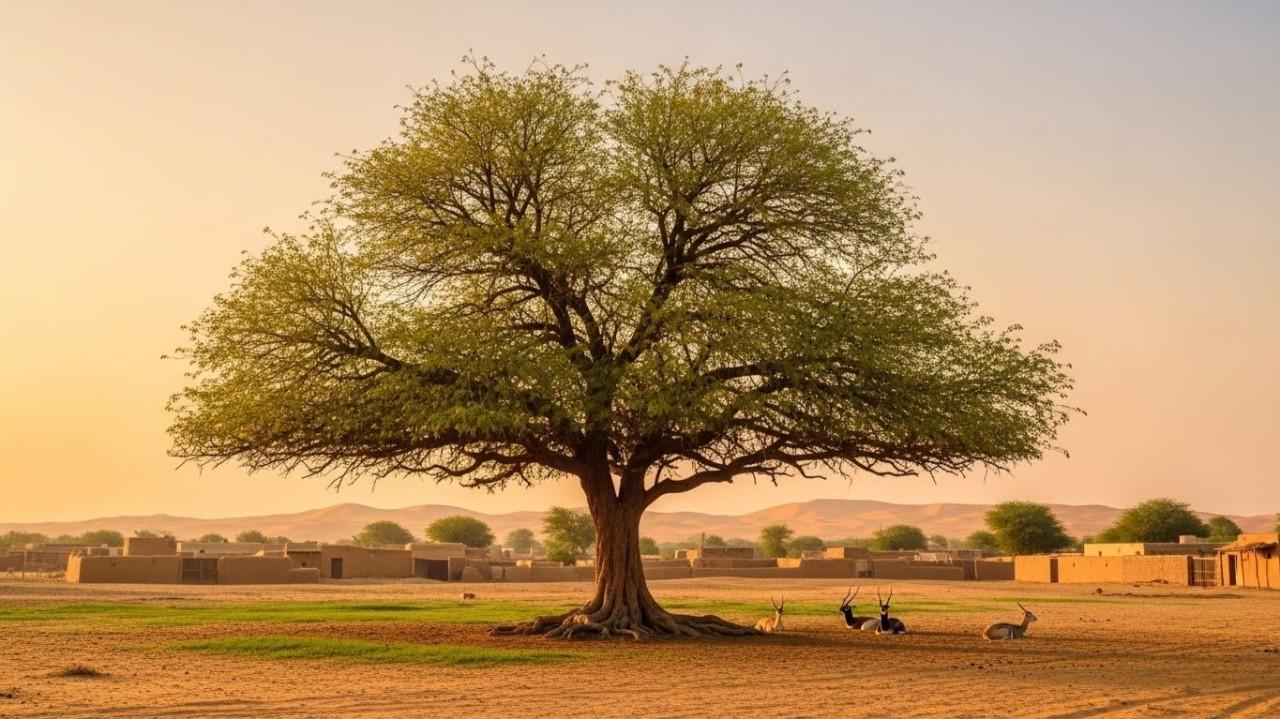



500-Year Heritage. A Future Still Being Built.
A philosophy born in the Thar Desert in 1485 — 29 principles, and 363 lives given to defend them. This is how a new generation is carrying that ethic forward.
A Conservation Ethic
Born in the Desert
For more than 500 years, the Bishnoi community of Rajasthan has lived by 29 principles that reach into everything — what a household may cut, what it may kill, what it may drink, even what colour it may wear. In 1730, 363 Bishnois gave their lives defending trees at Khejarli. Today the community still guards the Thar Desert’s wildlife with the same conviction.
- 1485Year the faith was founded
- 29Guiding principles
- 363Lives given at Khejarli, 1730
“For the Bishnoi, nature is not a resource to be managed; it is a sacred trust. A faith born in the desert, written in 29 rules, and proven with 363 lives.”
Mukam: The Heart
of the Faith
For Bishnois, holy sites are not distant monuments; they are living places of connection. Mukam is the central pilgrimage site — the final resting place of Guru Jambheshwar — where thousands gather twice a year to renew their vows to nature and community.
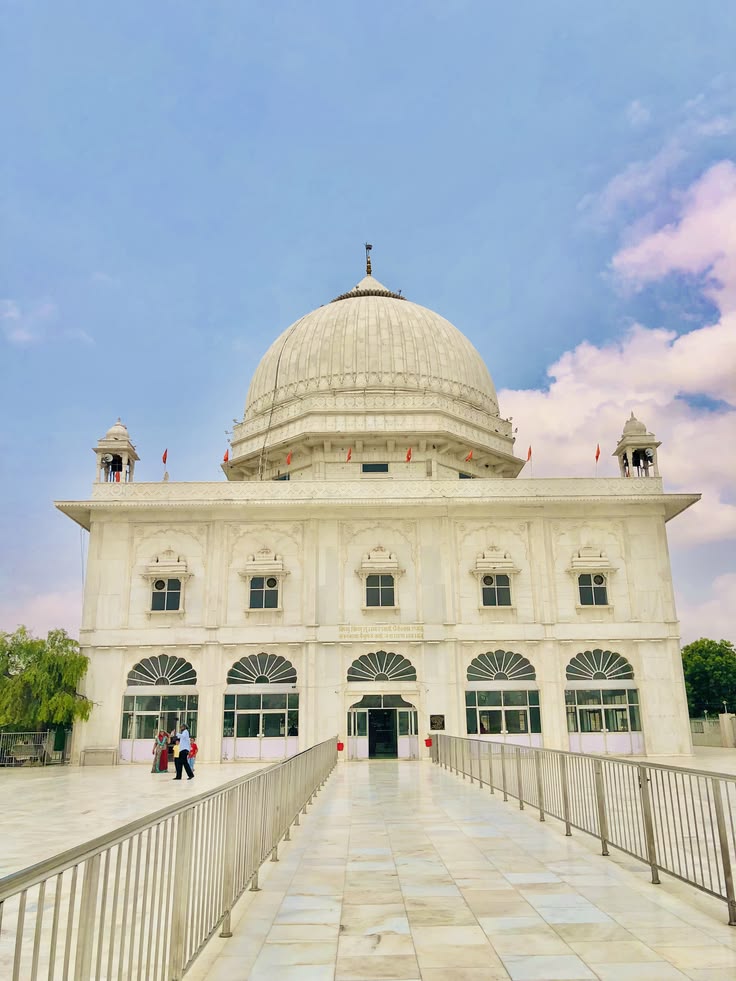
Mukam (Muktidham)
The community's holiest shrine — a marble temple built over Guru Jambheshwar's samadhi, enclosing the sacred khejri tree beneath which he was laid to rest.
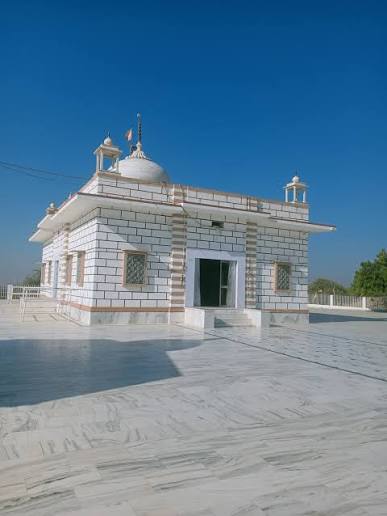
Samrathal Dhora
The dune where Jambheshwar had his awakening in 1485 and preached the sermons that founded the faith.

Peepasar
His birthplace, home to an ancient khejri tree and annual Janmashtami celebrations.
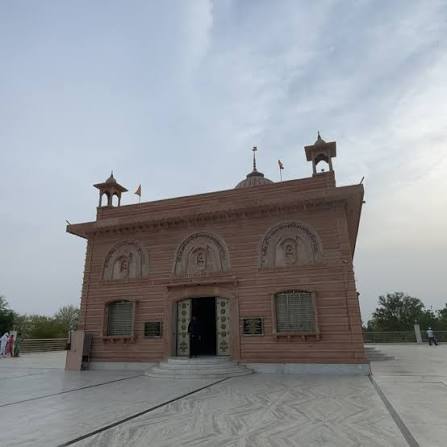
Lalasar
Where he passed away in 1536, before his body was carried to Mukam.
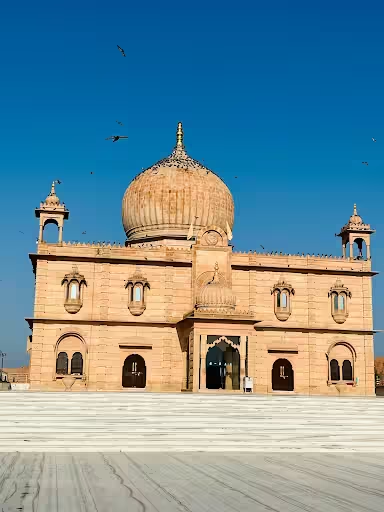
Jhambolav
Site of an annual fair on Chaitra Amavasya, honoring the practical application of his teachings.
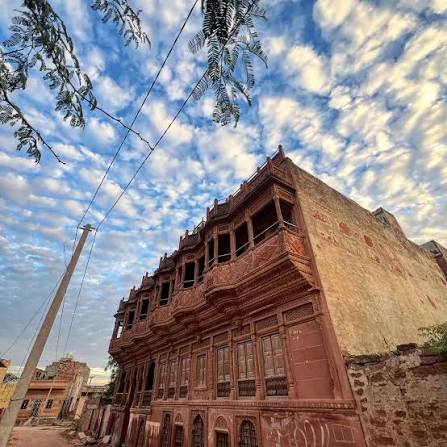
Lohawat
Linked to his historic meeting with a Marwar prince.
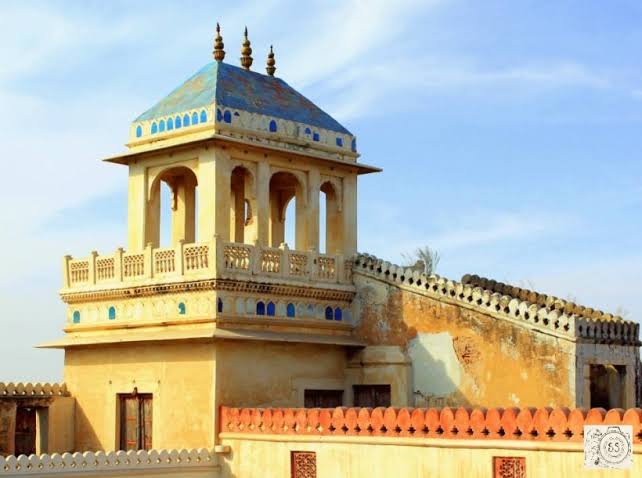
Janglu
Home to personal relics associated with the Guru.
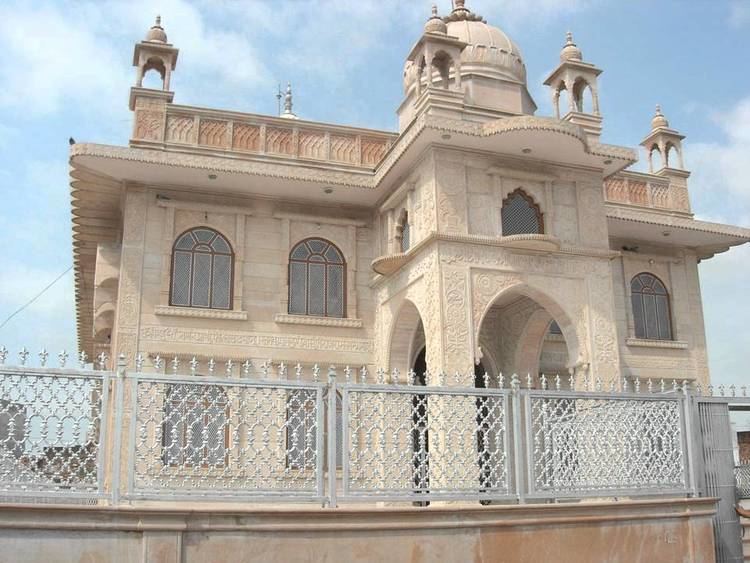
Rotu
One of the eight principal Ashtadham shrine sites.
The 29 rules of Guru Jambheshwar come down through the Shabadwani, his 120 shabads. Renderings and groupings vary between sources — the four categories below are our own, arranged to show how far the rules reach into ordinary life.


Bishnoi Legacy
Eight chapters of the same discipline — sacrifice, migration, conservation, and craft — carried from Amrita Devi’s stand at Khejarli to the wildlife wardens and artisans who still live it today.
Faces of the Community
A person belongs in this story when their actions demonstrate the principles, not when they share the name. By that test the clearest contemporary voices are conservationists: Khamu Ram Bishnoi and Radheshyam Bishnoi, both recognised for grassroots wildlife protection in Rajasthan. The community is visible in public life more widely too — Bhajan Lal, a former Chief Minister of Haryana, and Ravi Bishnoi, an India international cricketer, among others.
Faith and Ecology, Never Separate
Long before conservation was a matter of policy, it was a matter of obligation — written into rules about what a household may cut, kill, drink and wear. Explore the 29 principles, walk through the story of Khejarli, or see how a 15th-century faith still shapes the Thar Desert today.
The world changed.
The principles didn’t.
Four of the twenty-nine principles translate almost directly into work a modern business can do. What follows is not a portfolio that happens to carry the Bishnoi name — it is this generation’s reading of those principles, and the part of the story it is responsible for writing.
Moving medicines across borders to the patients and hospitals that would otherwise go without them.
Getmeds Healthcare NetworkBuilding towards supplying the hospitals themselves: the consumables, equipment and specialised products that make care possible at all.
Bishnoi OmniverseA commitment to wildlife protection and afforestation in the Thar, answering the stewardship that eight of the 29 principles ask for.
Naresh Bishnoi FoundationOwnership built to be handed on rather than sold off — institutions meant to outlast the people who started them.
2MG Incorporated & the N. K. Bishnoi OfficeWhat we hold ourselves to, and what we intend to leave behind.
- 01VisionTo be a globally respected group that proves conservation and enterprise are not opposites — carrying a 500-year-old philosophy into new industries.
- 02MissionTo build durable businesses in healthcare, pharmaceutical access, medical supply, and social initiatives that operate with the same restraint and long-term care the Bishnoi community has shown the land for centuries.
- 03Core ValuesStewardship, compassion, integrity and patience — the four core principles inherited from Guru Jambheshwar’s 29 principles of Bishnoi tradition and applied to modern business.
- 500+YearsFive centuries of living principles — an ethic of stewardship and restraint older than the word “environmentalism,” and the inheritance every business built in this name answers to.
We are building institutions designed to outlast us.
What began as a way to survive a desert is now being read into healthcare, medical infrastructure, conservation and enterprise. The next five hundred years are unwritten. This is the part of them we are answerable for — and the question the next generation inherits is not which companies they are handed, but whether the philosophy expressed through them still holds.
One Identity. Multiple Ventures. One Purpose.