
The principles come down through the Shabadwani, the 120 shabads attributed to Guru Jambheshwar and written in Nagri script. Their number is not in dispute and gives the community its name: bis (twenty) and noi (nine). Their wording and grouping vary between sources, which is normal for a text carried this way.
How to read them
The useful question is not whether a reader can get through all twenty-nine. It is what living by them actually meant — because taken together they are not a conservation charter but a description of a whole life, and the environmental rules only make sense inside it.
So the four groupings below are arranged around that: how a person lives with the land, with other people, with themselves, and with God. That grouping is ours, not traditional. Sources more commonly sort the rules into worship, hygiene, social conduct and environment; we have said which is which where it matters, but the arrangement here is meant to show how far the rules reach into an ordinary day rather than to reproduce an inherited division.
Living with the land and its animals
Eight of the twenty-nine. These are the rules Khejarli was fought over.
- 01Be merciful to all living beings, and love them.
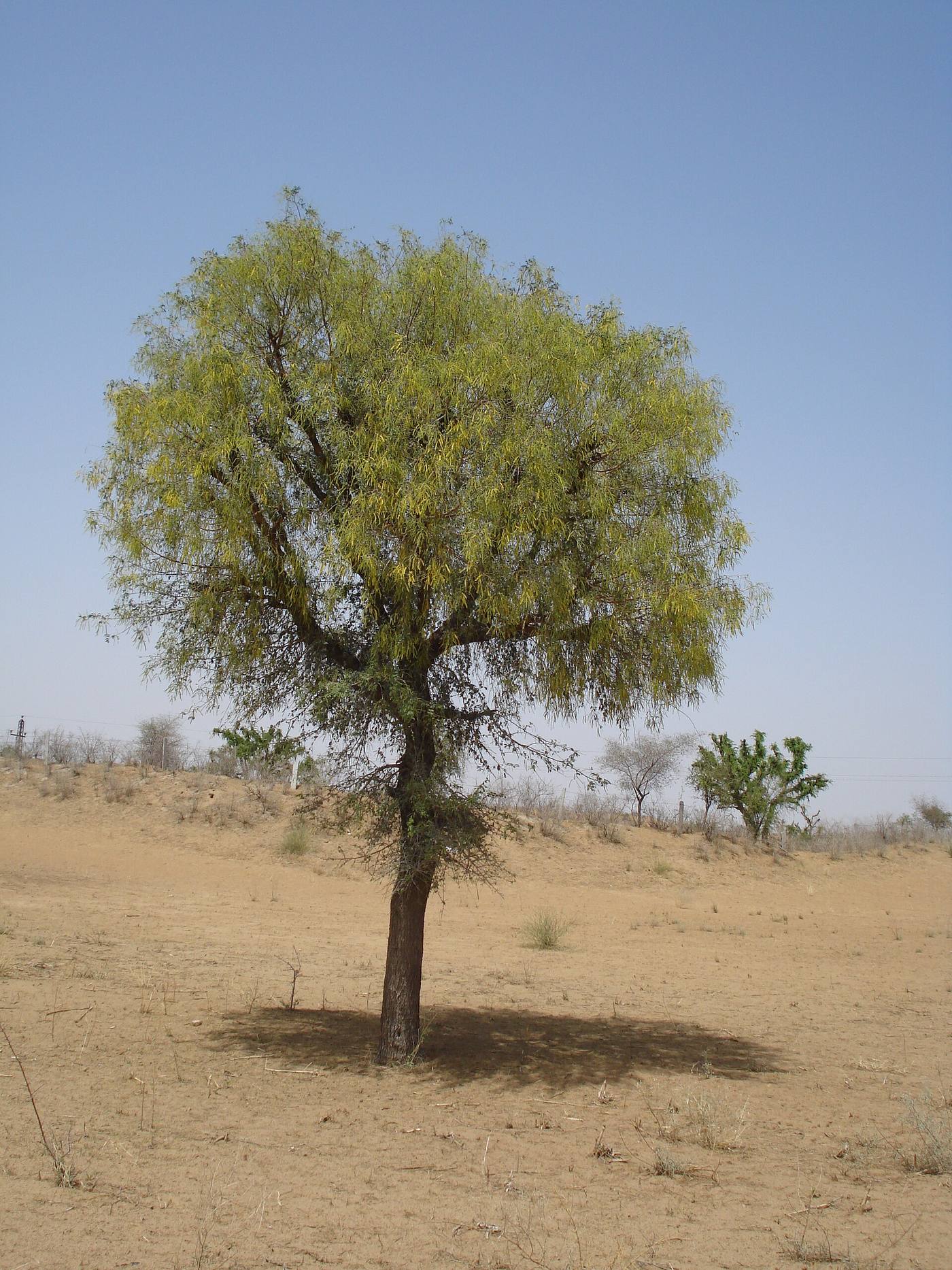
- 02Do not cut a green tree.
- 03Provide shelter for abandoned animals.
- 04Do not sterilise bulls; do not abandon male calves.
- 05Do not eat meat; keep a strict vegetarian diet.
- 06Do not wear blue — the dye is drawn from the indigo plant.
- 07Use filtered water, filtered milk, and firewood cleaned of living creatures.
- 08Cook your own food; be self-sufficient.
Living with other people
Conduct towards neighbours, stated as plainly as the rules about trees.
- 09Speak the truth, and speak it sincerely.
- 10Practise forgiveness and kindness.
- 11Be merciful, sincerely.
- 12Do not steal.
- 13Do not condemn or criticise.
- 14Do not lie.
- 15Do not enter into disputes or conflict.
Living with oneself
Discipline and abstention — the rules that shape an ordinary day.
- 16Keep clear of lust, anger, greed and attachment.
- 17Bathe daily, before sunrise.
- 18Keep to modesty, patience, contentment and cleanliness.
- 19Observe a thirty-day period of rest and separation after childbirth.
- 20Observe five days of separation during menstruation.
- 21Do not use or trade opium.
- 22Do not smoke or use tobacco.
- 23Do not take bhang, hemp or any intoxicant.
- 24Do not drink alcohol.
Devotional practice
The Vaishnava core of the tradition.
- 25Pray twice daily, morning and evening.
- 26Sing the evening aarti.
- 27Perform yajna (havan).
- 28Worship and recite the name of Vishnu.
- 29Fast on Amavasya, the new moon.
The rule about the colour blue
Of the twenty-nine, this is the one that most repays a second look. Indigo dye is extracted from the indigo plant, and the extraction harms it. So a rule against harming a plant becomes a rule against a colour — and therefore governs what a person may wear, every day, for life.
Nothing else in the list shows so plainly that the reasoning was meant to be followed all the way down. It is also the rule that makes the eight environmental niyamas legible as something other than a modern reading: no one arrives at a clothing prohibition by way of conservation policy.

Where sources disagree
- Whether the Amavasya fast belongs to devotional practice or to personal discipline. Sources differ; we have placed it with worship.
- Whether the four-way categorisation is traditional at all, or a modern editorial convenience. Until that is settled we present ours as ours.
- The original Rajasthani and Marwari terms. Several rules reach us with Sanskrit glosses — kshama, santosha, shaucha, achaurya — which may be later additions rather than the original wording.
This page describes the history of the Bishnoi community, which is far larger than, and mostly unconnected to, the businesses that carry the Bishnoi name. Nothing here is a claim on that heritage.